December 29, 2025
In a market defined by performance expectations, rising ownership costs, and increasingly complex vehicle systems, extending the operational life of your vehicle is a strategic priority rather than a passive outcome. Whether you rely on your vehicle for daily transportation, performance driving, or long-term value retention, longevity is achieved through disciplined decision-making and proactive maintenance governance.
At Northwest Rally Sports, extending vehicle life is viewed through a performance-first lens. Vehicles are assets, and like any asset, their lifespan is influenced by maintenance discipline, operational behavior, and access to qualified expertise. Partnering with an experienced auto mechanic and adopting a structured care strategy allows owners to reduce downtime, improve reliability, and maximize return on investment.
The following insights outline key focus areas that collectively support long-term vehicle durability and performance continuity.
1. Building Vehicle Longevity Through Comprehensive Maintenance
Comprehensive maintenance establishes the foundation for sustained vehicle health. Rather than treating service needs as isolated events, a holistic maintenance strategy integrates inspections, repairs, and system optimization into a unified framework. This approach ensures that no component operates in isolation and that system interactions are consistently evaluated.
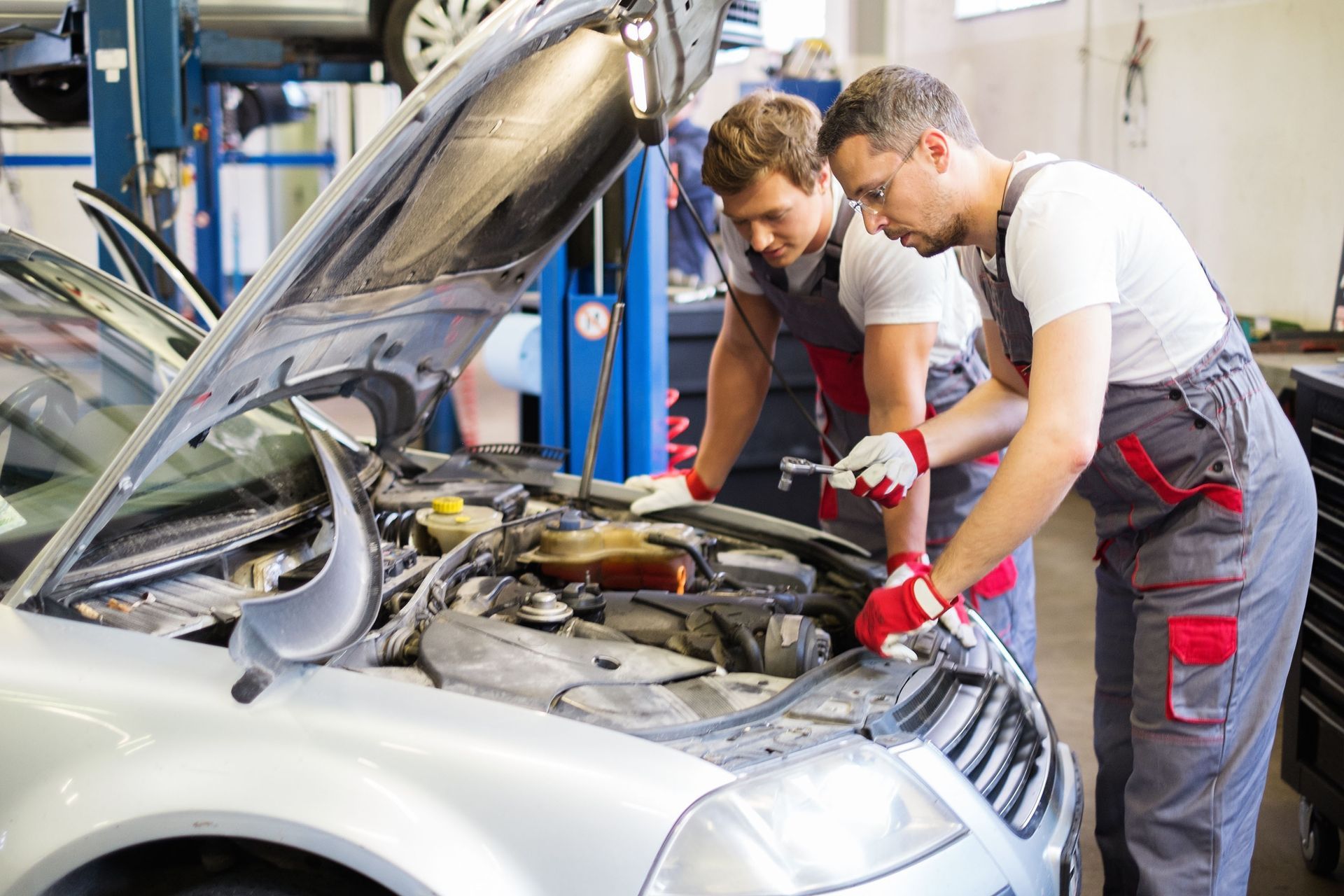
An experienced auto mechanic plays a pivotal role in this process by translating technical assessments into actionable recommendations. Comprehensive maintenance programs reduce reactive repairs, support cost predictability, and enhance overall system balance. Vehicles maintained under this model exhibit greater reliability and reduced long-term wear.
2. Maximizing Reliability Through Proactive Inspections
Proactive inspections are essential to identifying emerging issues before they evolve into performance disruptions. These inspections provide early visibility into wear patterns, fluid conditions, braking systems, suspension components, and electronic functionality.
Engaging a qualified auto mechanic for routine inspections enables early intervention and risk mitigation. Rather than waiting for dashboard alerts or mechanical failures, proactive inspections support informed decision-making and allow corrective actions to be implemented under controlled conditions. This approach significantly reduces unexpected downtime and repair escalation.
3. Sustaining Performance Through Scheduled Maintenance
Scheduled maintenance is the operational backbone of vehicle longevity. Oil changes, filter replacements, belt evaluations, and system calibrations are not optional tasks but essential performance safeguards. Adhering to maintenance intervals preserves engine efficiency, optimizes fuel economy, and minimizes internal friction.
A knowledgeable auto mechanic can tailor maintenance schedules based on driving conditions, vehicle usage, and environmental exposure. This customized alignment ensures maintenance efforts are both timely and relevant, preventing unnecessary service while addressing high-impact needs. Over time, consistent scheduling delivers measurable performance stability.
4. Protecting Core Systems Through Strategic Fluid Management
Fluid systems directly influence thermal regulation, lubrication, braking responsiveness, and drivetrain efficiency. Strategic fluid management ensures that each system operates within its intended performance envelope while minimizing internal stress.
Engine oil quality, coolant condition, transmission fluid integrity, and brake fluid stability all require regular evaluation. Neglecting fluid health accelerates component degradation and compromises system reliability. Partnering with an experienced auto mechanic ensures fluid analysis and replacement intervals are aligned with real-world operating demands rather than assumptions.
5. Optimizing Road Contact Through Tire and Alignment Control
Tires and alignment define how effectively a vehicle interacts with the road surface. Improper inflation, uneven wear, or misalignment introduces unnecessary strain on suspension components and reduces handling precision.
Regular tire rotations, alignment assessments, and pressure monitoring preserve stability and improve ride quality. An auto mechanic trained in chassis dynamics can interpret wear indicators and recommend corrective measures that enhance control while extending tire life. This focus also supports fuel efficiency and reduces stress on steering systems.
6. Preserving Engine Health Through Quality Fuel and Filtration
Fuel quality and filtration directly impact combustion efficiency and internal cleanliness. High-quality fuel supports consistent ignition, while effective filtration prevents particulate intrusion that can damage injectors and fuel pumps.
Integrating a disciplined approach to fuel system care protects long-term engine performance. An auto mechanic with experience in fuel system diagnostics can assess injector behavior, filtration effectiveness, and combustion efficiency to ensure optimal operation. This attention to detail reduces power loss and minimizes long-term degradation.
7. Managing Modern Systems Through Electrical and Diagnostic Oversight
Modern vehicles rely heavily on interconnected electronic systems that manage everything from fuel delivery to traction control. Electrical faults and sensor failures often present subtle early indicators before escalating into larger issues.
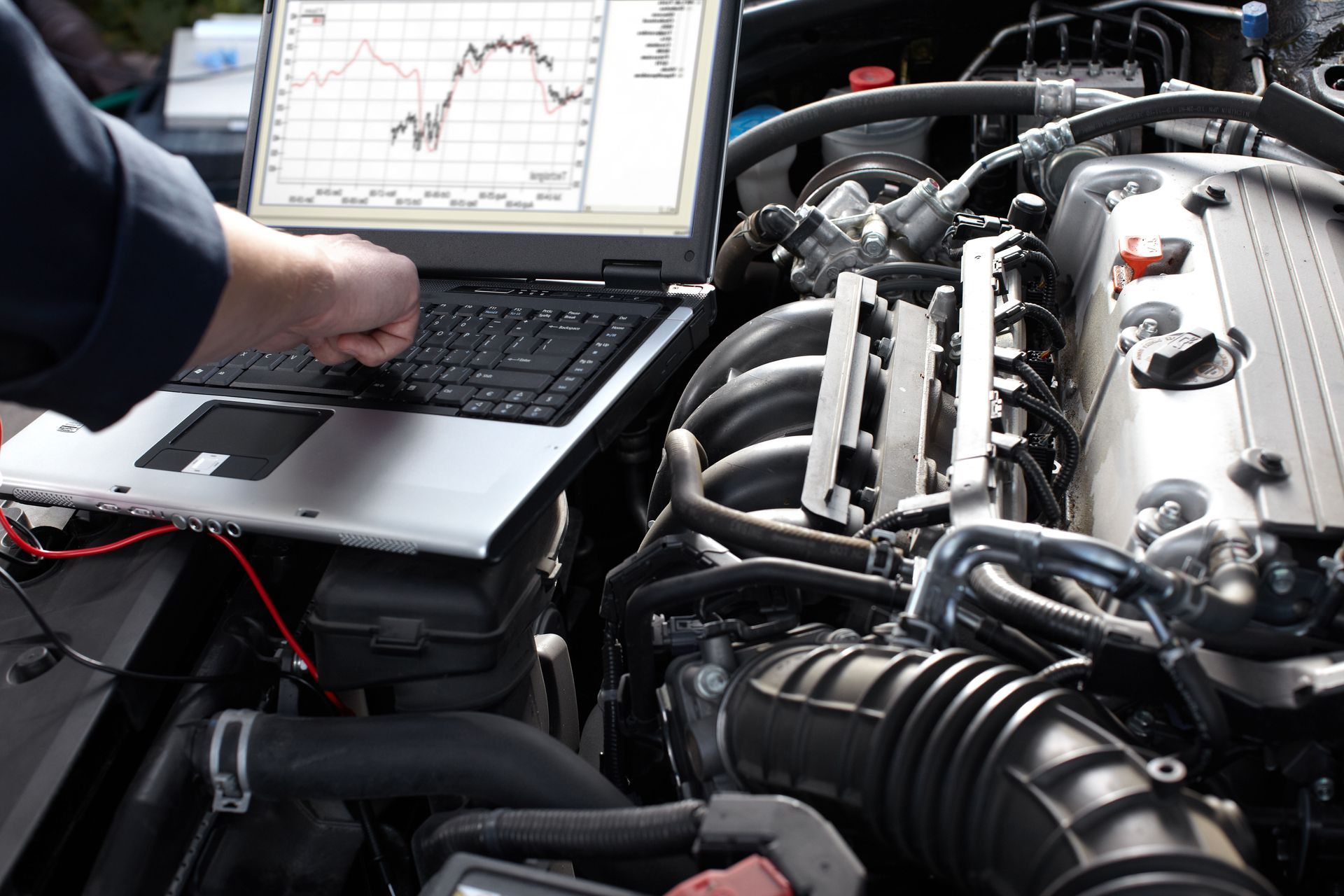
Routine diagnostic scans and electrical system evaluations enable early identification of anomalies. A skilled auto mechanic equipped with advanced diagnostic tools can interpret fault codes, assess system interdependencies, and implement precise corrective actions. This proactive oversight prevents minor electronic concerns from cascading into system-wide failures.
8. Adapting Vehicle Care Through Climate and Environmental Awareness
Environmental exposure significantly influences vehicle wear patterns. Temperature extremes, humidity, road salt, and terrain variability impose unique stresses on mechanical and structural components.
Adapting maintenance strategies to local environmental conditions enhances corrosion resistance and component resilience. A regionally experienced auto mechanic understands how climate impacts materials and systems, allowing maintenance plans to be adjusted accordingly. This adaptation reduces premature wear and supports long-term durability.
9. Influencing Longevity Through Driver Engagement and Education
Driver behavior plays a critical role in vehicle lifespan. Aggressive acceleration, abrupt braking, and prolonged idling accelerate wear across multiple systems. Educating drivers on best practices promotes smoother operation and reduces mechanical stress.
When drivers understand how their actions influence vehicle health, they become active participants in longevity efforts. Open communication between drivers and an auto mechanic further enhances early issue detection and supports timely intervention. This collaborative approach strengthens operational outcomes.
10. Advancing Maintenance Outcomes Through Technology and Data Analytics
Technology-driven maintenance strategies are reshaping how vehicle health is monitored and managed. Telematics, performance analytics, and predictive modeling provide actionable insights that support proactive maintenance decisions.
Data-driven analysis enables trend identification and forecasting, allowing service interventions to be planned rather than reactive. An auto mechanic proficient in data interpretation can leverage these insights to refine service schedules and optimize component replacement timing. This analytical approach reduces uncertainty and enhances reliability.
11. Ensuring Durability Through Quality Parts and Materials
Component quality directly influences long-term performance. Inferior parts may offer short-term cost savings but often introduce reliability risks and accelerate failure rates. Selecting high-quality components ensures compatibility, durability, and consistent performance.
An experienced auto mechanic can guide part selection based on OEM standards and real-world performance data. This expertise ensures replacement components align with system requirements and contribute positively to overall vehicle health.
12. Extending Asset Value Through Lifecycle Planning and Governance
Vehicle longevity is maximized when maintenance activities are governed by structured lifecycle planning. Tracking service history, performance metrics, and cost trends enables informed decisions regarding repairs, upgrades, and eventual replacement.
According to imarcgroup.com, the global automotive repair and service market is expected to reach $1,052.50 billion by 2033, exhibiting a growth rate (CAGR) of 4.18% during 2025–2033. This growth underscores the increasing importance of professional maintenance services and strategic lifecycle management.
Partnering with a trusted auto mechanic supports governance initiatives by providing technical insight and continuity across service cycles. This structure ensures vehicles remain reliable assets rather than unpredictable liabilities.
13. Driving Results Through Continuous Improvement and Feedback Loops
Effective maintenance strategies evolve over time. Continuous improvement relies on reviewing outcomes, identifying inefficiencies, and refining processes. Capturing insights after service events and integrating feedback strengthens future performance.
Regular performance reviews involving drivers, technicians, and service providers accelerate learning cycles. This feedback-driven approach ensures maintenance strategies remain aligned with operational realities and performance goals.
14. Achieving Long-Term Success Through Strategic Partnerships
Extending vehicle life is rarely achieved in isolation. Strategic partnerships with specialized service providers and experienced technicians enhance execution quality and consistency. Establishing long-term relationships with a reliable auto mechanic ensures continuity, accountability, and alignment with performance objectives.
When maintenance partners understand your expectations and vehicle usage patterns, they become integral contributors to long-term success. This collaborative model supports sustained reliability, optimized costs, and extended asset life. If you're looking for auto services, contact Northwest Rally Sports today.