April 27, 2026
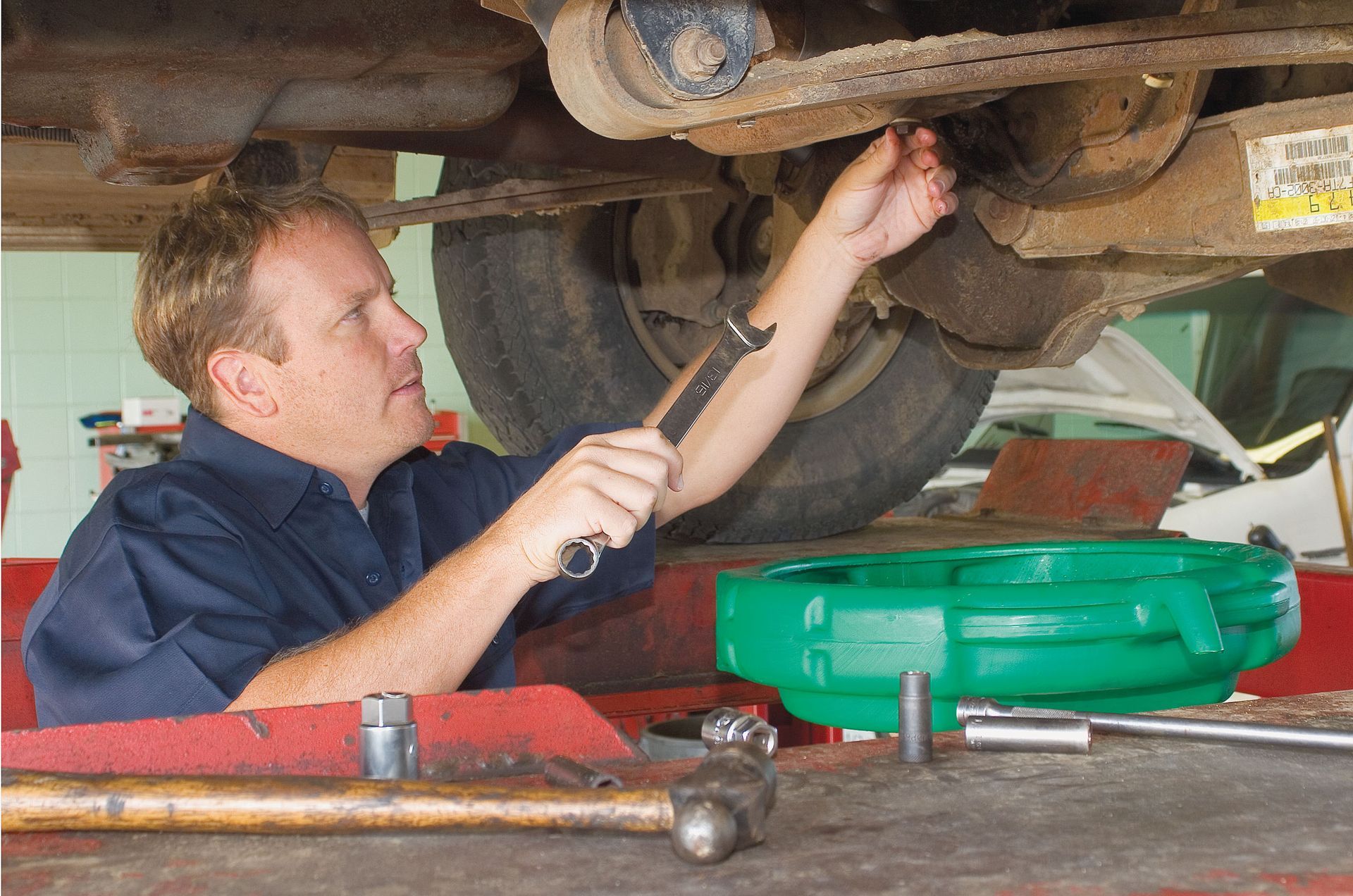
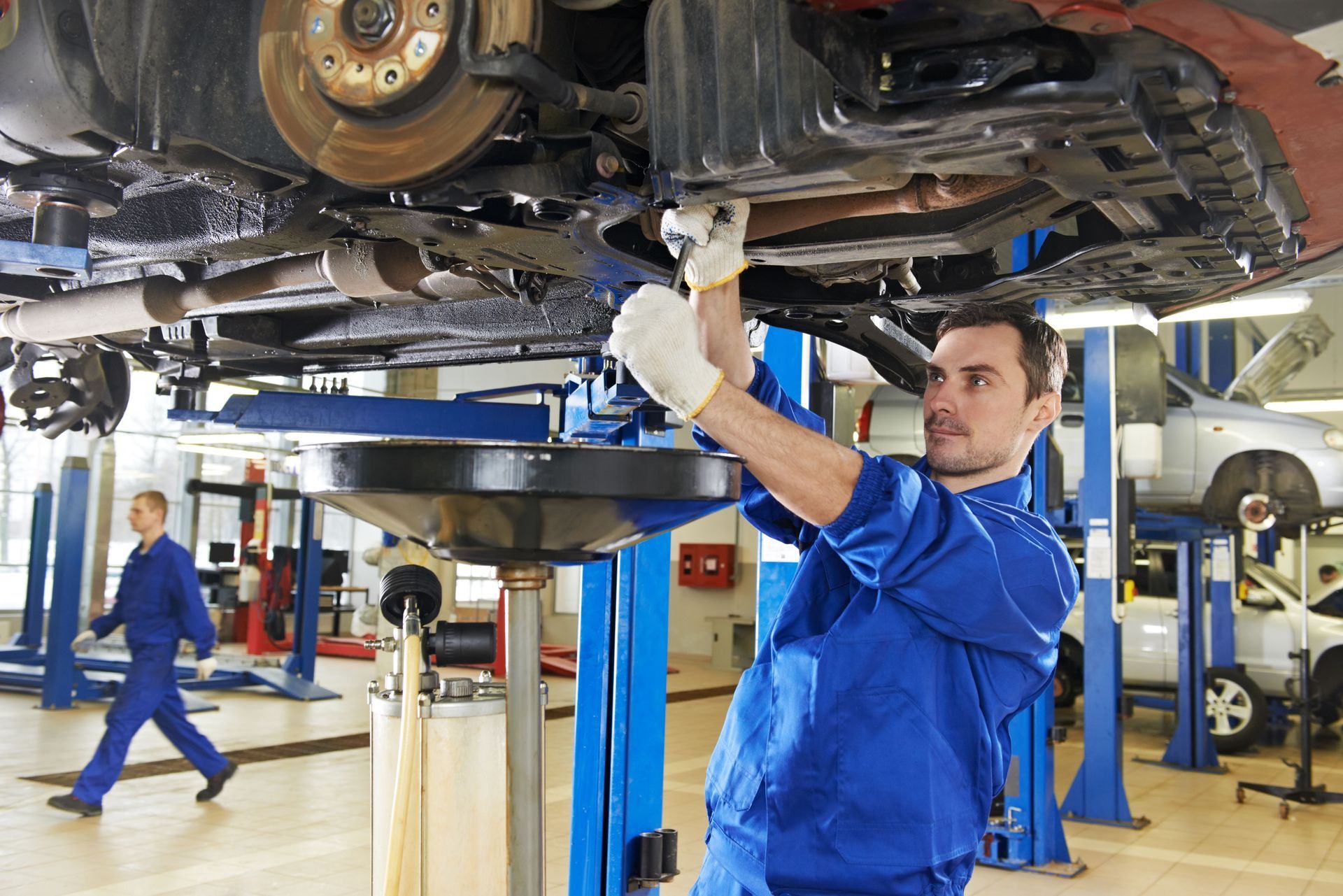
Regular oil changes are a cornerstone of car maintenance, helping your vehicle operate smoothly, reduce internal wear, and maintain consistent performance over time. Engine oil acts as both a lubricant and a cleaning agent, moving through tight spaces and carrying away debris that could otherwise damage internal components. When oil begins to break down or becomes contaminated, it can no longer perform these tasks effectively. That shift can lead to increased friction, overheating, and gradual engine deterioration that may not be immediately obvious but can become costly if left unaddressed.
Understanding the early warning signs that signal the need for an oil change gives you a practical advantage as a vehicle owner. Instead of waiting for noticeable performance issues, recognizing subtle changes allows you to act early and protect your investment. A qualified car mechanic can evaluate your oil condition and recommend the right course of action based on your driving habits and vehicle type. By paying attention to these indicators, you can extend engine life, improve efficiency, and avoid unnecessary repairs.
Recognizing Unusual Engine Noises
Unusual engine noises often serve as one of the first signs that your oil is no longer doing its job effectively. When oil becomes too old or contaminated, it loses its ability to properly coat engine components, increasing friction between moving parts. This friction can create knocking or rumbling sounds, which may grow louder over time if ignored. These noises are more than minor annoyances; they indicate that internal components are experiencing added stress that could lead to long-term damage if not addressed promptly by a car mechanic.
Another common sound occurs during startup, especially after the vehicle has been sitting for several hours. If you notice louder-than-normal noise when turning the ignition, it could mean that the oil is taking longer to circulate through the engine. Fresh oil moves quickly to protect key components, but degraded oil struggles to provide immediate coverage. This delay allows parts to rub together briefly without proper lubrication, increasing wear with each start. Scheduling an oil change can help restore smoother startup performance and reduce that initial strain.
Monitoring Dashboard Warning Lights
Dashboard warning lights play an important role in alerting drivers to potential issues, including those related to engine oil. The oil change or oil level indicator is designed to notify you when oil levels are low or when the oil has reached the end of its useful life. When this light appears, it signals the need for immediate attention rather than a delay. Taking action quickly can prevent minor issues from escalating into more serious mechanical concerns that require extensive repairs.
The check engine light can also be connected to oil-related problems, even though it covers a wide range of potential issues. Poor oil quality or low oil levels can trigger this warning because the engine is not operating within its normal parameters. Before assuming a complex problem, it is often worth having a car mechanic evaluate the oil condition. In many cases, addressing oil issues early can resolve the warning without further complications.
Another critical alert is the oil pressure warning light, which indicates that the engine is not receiving adequate oil pressure. This situation can lead to rapid wear because components are not being lubricated properly. Driving with low oil pressure can cause severe damage in a short amount of time. If this light appears, it is best to stop driving and consult a car mechanic immediately to diagnose and resolve the issue.
Evaluating Mileage and Driving Conditions
Mileage plays a major role in determining when your vehicle needs an oil change, but it is not the only factor to consider. While traditional guidelines suggested oil changes every 3,000 to 5,000 miles, advancements in oil technology have extended those intervals. According to Kelley Blue Book, modern vehicles using synthetic or semi-synthetic oils can usually go 7,500 to 10,000 miles or more between oil changes. This extended range offers convenience, but it still requires attention to individual driving habits and conditions. A follow-up evaluation with a car mechanic can help determine whether driving patterns align with these extended intervals or if adjustments are needed.
Short trips can shorten the lifespan of your oil because the engine does not reach optimal operating temperature for long enough periods. This can lead to moisture buildup and sludge formation, which degrade oil quality more quickly. If your daily driving consists of frequent short trips, you may need more frequent oil changes to maintain proper engine performance.
Checking Oil Condition and Levels
Regularly checking your oil condition is one of the simplest ways to determine whether an oil change is needed. Fresh oil typically appears amber or light brown, while older oil becomes darker as it collects contaminants. This change in color signals that the oil is losing its effectiveness and may no longer provide adequate protection. Performing quick visual checks using the dipstick can help you identify when it is time to visit a car mechanic.
Texture is another important factor when evaluating oil quality. If the oil feels gritty or contains visible particles, it may be contaminated with debris that can damage engine components. This type of contamination reduces the oil's ability to lubricate properly and can lead to increased friction within the engine. Addressing this issue early through an oil change helps maintain smoother operation.
Noticing Decreased Fuel Efficiency
A drop in fuel efficiency can often be linked to declining oil quality. When oil loses its ability to reduce friction, the engine must work harder to perform the same tasks. This added effort results in increased fuel consumption, which can become noticeable over time. Paying attention to changes in mileage can help you identify when an oil change may be needed.
Old oil can also impact overall engine performance, making it less responsive and less efficient. As internal components experience more resistance, the engine uses more energy to maintain normal operation. This inefficiency not only affects fuel costs but also contributes to additional wear. Having a car mechanic replace the oil at the right time can restore smoother performance and improve fuel economy.
Different types of oil can also influence fuel efficiency. Synthetic oils often provide better lubrication and longer-lasting performance compared to conventional options. Choosing the right oil for your vehicle and driving conditions can make a noticeable difference in both performance and operating costs. A
car mechanic can recommend the most suitable option based on your vehicle's needs and usage patterns.
Maintaining proper oil levels and quality is one of the most effective ways to support your vehicle's long-term performance. By recognizing signs such as unusual engine noises, warning lights, exhaust smoke, and reduced fuel efficiency, you can take timely action before small issues become major concerns. Regular attention to mileage, driving conditions, and oil condition provides a clearer picture of when an oil change is necessary.
Staying proactive with oil changes not only supports engine health but also contributes to better fuel economy and a smoother driving experience. When you address these warning signs early, you reduce the risk of costly repairs and extend the life of your vehicle. If you've noticed any of these indicators or it has been a while since your last oil change, now is a great time to schedule a visit with Northwest Rally Sports and keep your car performing at its best.