November 14, 2026
Navigating neighborhood streets, parking lots, and open highways requires smooth, predictable vehicle control. Modern steering setups are designed to make turning the steering wheel effortless, allowing drivers to guide several thousand pounds of machinery with minimal physical effort. When components within this system start to wear out, maneuvering a vehicle can quickly become challenging and stressful. Recognizing early indicators of system failure allows drivers to address mechanical issues before steering control is severely compromised. Bringing your vehicle to a professional auto repair shop at the first sign of difficulty helps maintain road safety and prevents secondary damage to surrounding mechanical components. Staying attentive to subtle changes in steering performance ensures your vehicle remains reliable, responsive, and comfortable to drive every day.
Unusual Whining or Groaning Noises When Turning
One of the most frequent indicators of hydraulic system strain is a high-pitched whining or groaning sound that occurs while turning the steering wheel. This noise typically intensifies when executing sharp turns or maneuvering into tight parking spaces. The sound usually originates from a struggling fluid pump operating with insufficient fluid levels or air trapped inside the lines. Continuing to operate a vehicle under these conditions can cause severe mechanical friction and internal pump damage. Visiting an auto repair shop allows qualified technicians to inspect fluid levels, locate line leaks, and bleed air from the hydraulic circuit. Prompt attention to these unusual noises preserves pump longevity and restores quiet, smooth steering operation across all driving speeds.
Increased Steering Wheel Stiffness and Difficulty Turning
A noticeable increase in the physical effort required to turn the steering wheel is a direct sign that assistance systems are failing. If turning corners feels heavy, stiff, or sluggish, the system is no longer supplying the necessary hydraulic pressure or electric motor power to assist your movements. This issue can stem from a slipping serpentine belt, a failing fluid pump, or internal electrical faults in modern electronic steering setups. Scheduling an inspection at an auto repair shop ensures that technicians can diagnose whether the issue involves fluid pressure, mechanical wear, or electronic control units. Restoring proper steering assistance is essential for maintaining complete control over your vehicle during unexpected roadway maneuvers.
Sluggish or Delayed Steering Response
When you turn the steering wheel, your vehicle should respond immediately and accurately to the input. If there is a noticeable lag between turning the wheel and the tires changing direction, critical components within the steering linkage or rack and pinion assembly may be worn out. Loose tie rods, damaged steering gear teeth, or deteriorating rubber bushings can introduce unwanted play into the system. A professional auto repair shop can lift the vehicle to check steering linkages for excessive looseness and replace worn mechanical joints. Addressing response delays quickly ensures your vehicle tracks predictably, keeping your turns precise and aligned with your intended path.
Squealing Sounds Upon Starting the Engine
Loud squealing noises echoing from under the hood immediately after starting the engine often point to issues with the accessory drive belt system. The hydraulic steering pump relies on a serpentine belt connected to the engine crankshaft to generate operating pressure. If this belt becomes loose, worn, or contaminated with oil or fluid leaks, it can slip across the pump pulley, producing a sharp squealing sound. Taking the vehicle to an auto repair shop allows technicians to inspect belt tension, check for pulley alignment, and evaluate belt wear. According to IBISWorld, as of 2025, there are 302,754 auto mechanics in the U.S. Utilizing experienced automotive technicians ensures that drive belts and pulleys are properly adjusted to deliver continuous power to steering components.
Visible Fluid Leaks Beneath the Front Engine Bay
Red, pink, or clear fluid puddling beneath the front section of your vehicle often indicates a leak within hydraulic pressure lines, hose connections, or the steering rack seals. Hydraulic fluid plays a critical role in transferring force from the steering wheel to the front wheels while lubricating internal pump components. Running out of fluid causes severe friction, rapidly overheating the pump and causing system failure. An auto repair shop can perform pressure tests to isolate fluid leaks across high-pressure hoses, return lines, and seal fittings. Replacing damaged lines and refilling the system with clean fluid stops leaks and prevents costly component replacements down the road.
Vibrations or Shaking Felt Through the Steering Wheel
Excessive vibration or violent shaking felt in the steering wheel while idling or navigating turns suggests underlying mechanical instability within the steering or suspension assembly. In hydraulic setups, air bubbles circulating through the fluid lines can cause inconsistent pressure delivery, leading to steering wheel pulsation. In electronic setups, faulty sensors or loose mounting hardware can produce similar unstable feedback. Having an auto repair shop evaluate your vehicle helps identify whether the vibration stems from steering pump cavitation, loose mounting bolts, or worn tie rod ends. Correcting these underlying mechanical instabilities smooths out steering feedback and protects front tires from uneven tread wear.
Discolored or Contaminated Fluid in the Reservoir
Hydraulic steering fluid should appear clear with a red, pink, or amber tint depending on manufacturer specifications. Over time, heat, friction, and internal component wear can introduce metal shavings, rubber particles, and dirt into the fluid reservoir. Dark, murky, or burnt-smelling fluid indicates that internal seals are degrading and that the fluid has lost its protective lubricating properties. Technicians at an auto repair shop can inspect fluid condition, flush out contaminated fluid, and refill the system with fresh fluid designed for your vehicle model. Regular fluid maintenance removes abrasive debris, protecting internal valves and keeping steering action smooth.
Steering Wheel Failing to Return to Center Automatically
After completing a turn, the steering wheel should naturally loosen up and align back to the straight-ahead position as you accelerate out of the corner. If the steering wheel remains stuck, feels stiff, or requires manual force to return to center, serious mechanical resistance exists within the steering column, rack, or control arm joints. This issue often points to binding steering gear assemblies, overtightened rack components, or severe alignment errors. An auto repair shop can evaluate suspension geometry, inspect steering gear clearance, and align front wheels back to factory settings. Restoring automatic return capability reduces driver fatigue and keeps handling natural and effortless.
Erratic or Jerky Steering Assistance While Driving
Experiencing sudden surges, drops, or inconsistent resistance while holding the steering wheel steady indicates an unstable power delivery system. In hydraulic setups, erratic assistance often results from a slipping pump belt, sticking internal relief valves, or fluctuating fluid pressure. In vehicles equipped with electronic steering, failing torque sensors or loose wiring harnesses can cause assistance levels to fluctuate unexpectedly. Bringing your vehicle into an auto repair shop allows technicians to connect diagnostic tools, read error codes, and evaluate electrical voltage stability. Fixing intermittent power delivery issues prevents unexpected changes in steering effort while driving at higher speeds.
Warning Lights Illuminating on the Instrument Cluster
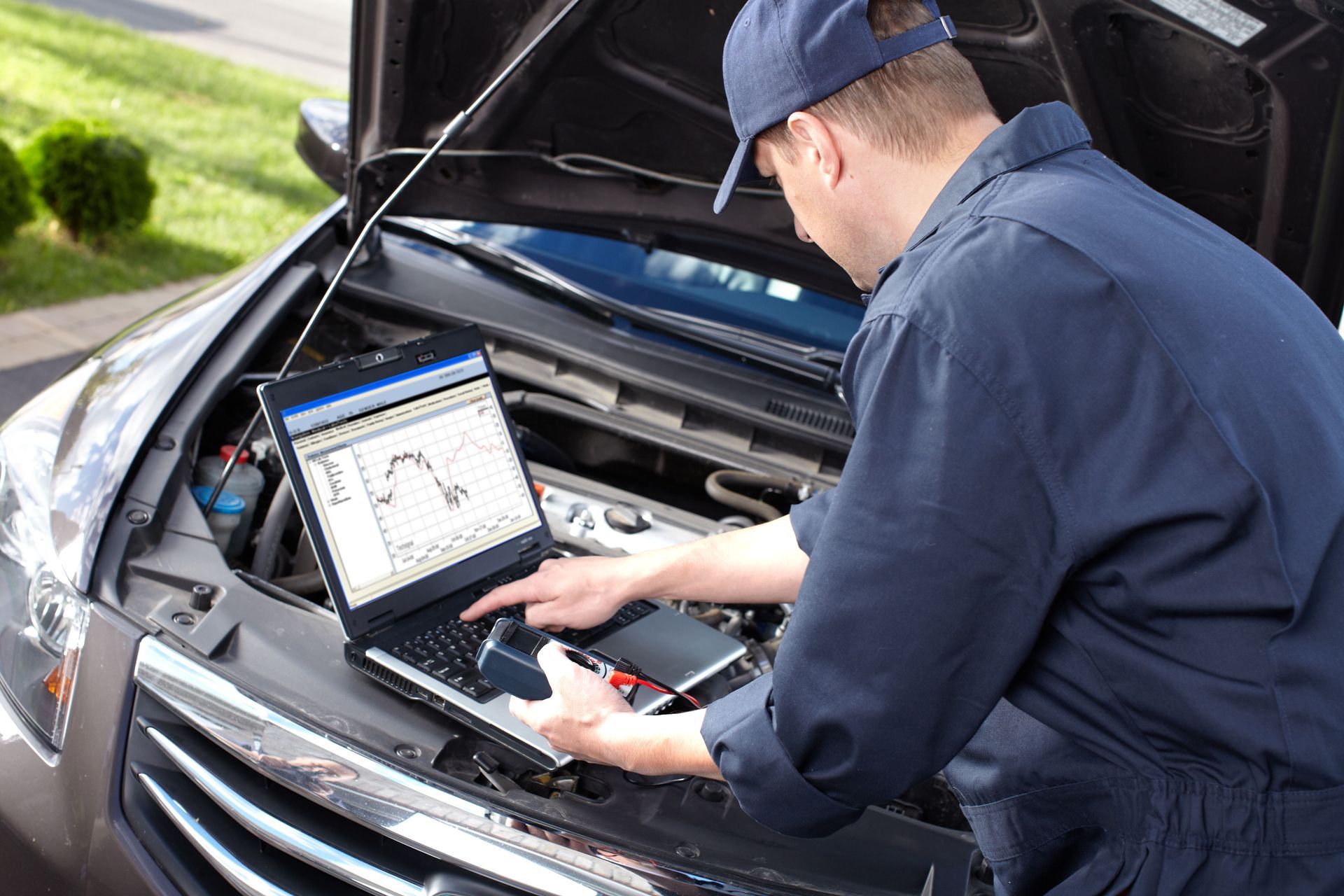
Modern vehicles feature sophisticated electronic monitoring systems that track fluid levels, system pressure, and sensor feedback in real time. If a steering wheel icon, electric steering warning light, or check engine light illuminates on your dashboard, the vehicle computer has detected an active system malfunction. Ignoring dashboard indicators can lead to sudden loss of power assistance, forcing the driver to manually steer a heavy vehicle without powered help. A full-service auto repair shop can scan system modules, identify specific fault codes, and replace faulty sensors or mechanical assemblies safely. Prompt electronic diagnostics ensure all safety monitoring networks remain active and fully functional.
Maintaining responsive steering is essential for vehicle safety, handling precision, and driver confidence on every journey. Recognizing warning signals like unusual noises, heavy turning effort, fluid leaks, and dashboard indicators enables property owners to address minor mechanical issues before they turn into major system failures. Timely professional evaluation preserves critical components and keeps your vehicle operating smoothly. To ensure your vehicle receives thorough inspections and professional maintenance, contact Northwest Rally Sports to schedule your next service appointment today.