November 25, 2026
Every vehicle owner has different expectations when it comes to performance, reliability, handling, and appearance. Some drivers want improved acceleration, while others prioritize better suspension, dependable engine operation, or upgrades that support specific driving conditions. Meeting these goals requires more than installing popular aftermarket parts or following a standard modification package. A knowledgeable performance shop takes time to understand each vehicle and the owner's intended use before recommending solutions. Custom car performance fabrication can help address individual requirements through carefully selected components, specialized modifications, and professional installation. The process also involves considering how different upgrades will work together without compromising safety or dependability. By evaluating the vehicle's condition and discussing the driver's goals, technicians can develop a plan that reflects practical needs. Understanding how a performance shop approaches these projects can help vehicle owners make informed decisions about their investments.
Evaluating Your Vehicle and Performance Goals
A successful performance project begins with understanding the vehicle's current condition and the improvements the owner hopes to achieve. Technicians may inspect the engine, suspension, exhaust, drivetrain, and other important systems to identify existing limitations. This evaluation helps determine which modifications are appropriate and which repairs should be completed before upgrades begin. Custom car performance fabrication may be recommended when standard aftermarket components cannot adequately address a vehicle's specific requirements. Drivers should explain whether they primarily use their vehicles for commuting, recreational driving, competition, or specialized applications. These details help technicians distinguish between upgrades that offer practical benefits and modifications that may not suit the vehicle's intended purpose. A thorough discussion also establishes realistic expectations regarding performance improvements, costs, and installation time. Starting with a clear understanding of the vehicle and its goals creates a stronger foundation for the entire project.
Recommending Components for Specific Applications
Selecting the right components is essential when building a vehicle around individual performance requirements. A performance shop considers factors such as compatibility, material quality, durability, and the way each part interacts with existing systems. Custom car performance fabrication allows technicians to develop solutions when available products do not provide the necessary fit or functionality. For example, a vehicle may require specialized brackets, modified piping, or other components designed around its existing configuration. Technicians also consider whether an upgrade will affect engine operation, exhaust flow, suspension geometry, or drivetrain performance. Choosing parts based only on appearance or advertised horsepower can lead to disappointing results. Instead, recommendations should reflect the vehicle's condition and the driver's intended use. This careful selection process helps ensure that each modification contributes to a balanced and functional setup.
Improving Engine Performance and Efficiency
Engine upgrades can help drivers achieve stronger performance when modifications are selected and installed appropriately. Depending on the vehicle, a performance shop may evaluate airflow, fuel delivery, ignition components, cooling requirements, and engine management systems. Custom car performance fabrication can support specialized engine projects that require components tailored to particular performance targets. Technicians may also identify worn parts or existing mechanical problems that could interfere with the results of an upgrade. Addressing these issues first helps establish a dependable starting point for additional modifications. The shop should explain how proposed changes may influence horsepower, torque, fuel consumption, and routine maintenance requirements. Drivers should also understand that more aggressive engine modifications can place additional demands on supporting components. A coordinated approach helps produce improvements that match the vehicle's capabilities and the owner's expectations.
Enhancing Exhaust Flow and Sound
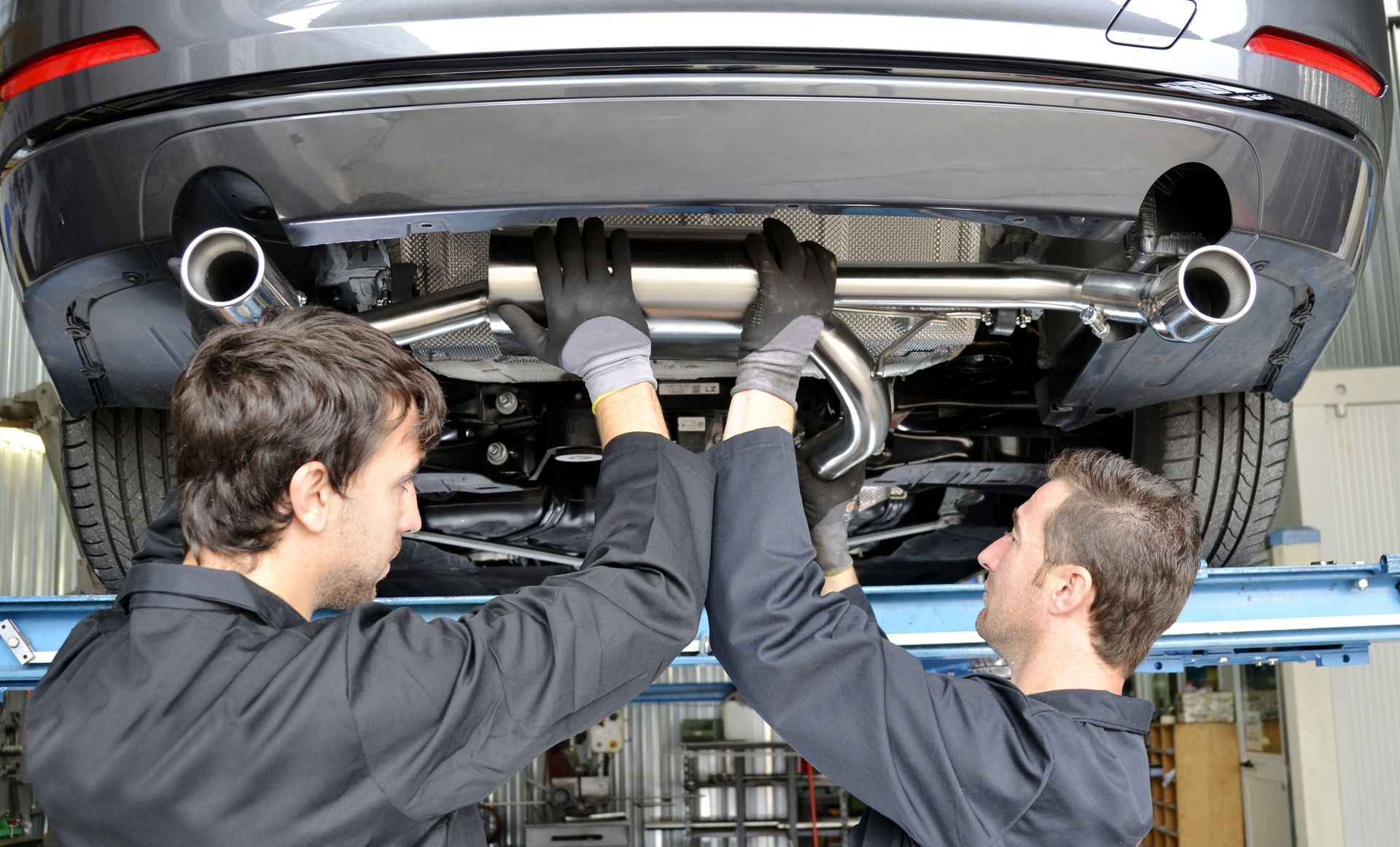
An exhaust system affects how a vehicle manages engine gases, and its configuration can influence performance and sound. Performance shops evaluate existing exhaust components to determine whether restrictions, leaks, or worn connections need attention. Custom car performance fabrication can provide options when a vehicle needs specialized exhaust routing or components that are not readily available. Technicians consider pipe diameter, bends, connection points, muffler selection, and clearance around nearby parts. These details matter because an improperly designed system can create installation problems or interfere with other vehicle components. Owners should communicate their preferences for exhaust tone while considering noise regulations and applicable emissions requirements. A properly planned exhaust modification can improve the overall setup without creating unnecessary complications. Professional installation also helps ensure that connections are secure and the system is positioned safely.
Customizing Suspension and Handling
A vehicle's suspension plays a major role in its stability, comfort, and ability to respond to driver input. Performance shops evaluate existing shocks, springs, control arms, bushings, and related components before recommending changes. Custom car performance fabrication may be useful when a vehicle requires specialized mounting solutions or modifications to accommodate a particular suspension setup. Technicians must consider ride height, wheel clearance, alignment, weight distribution, and intended driving conditions. A setup designed for track use may have different requirements from one intended for everyday transportation. Changes should also account for how suspension modifications affect steering response and tire contact with the road. Drivers benefit from discussing whether they prioritize sharper handling, improved stability, or a particular ride characteristic. Careful planning helps create a suspension system that supports the vehicle's purpose while maintaining predictable control.
Addressing Fitment and Installation Challenges
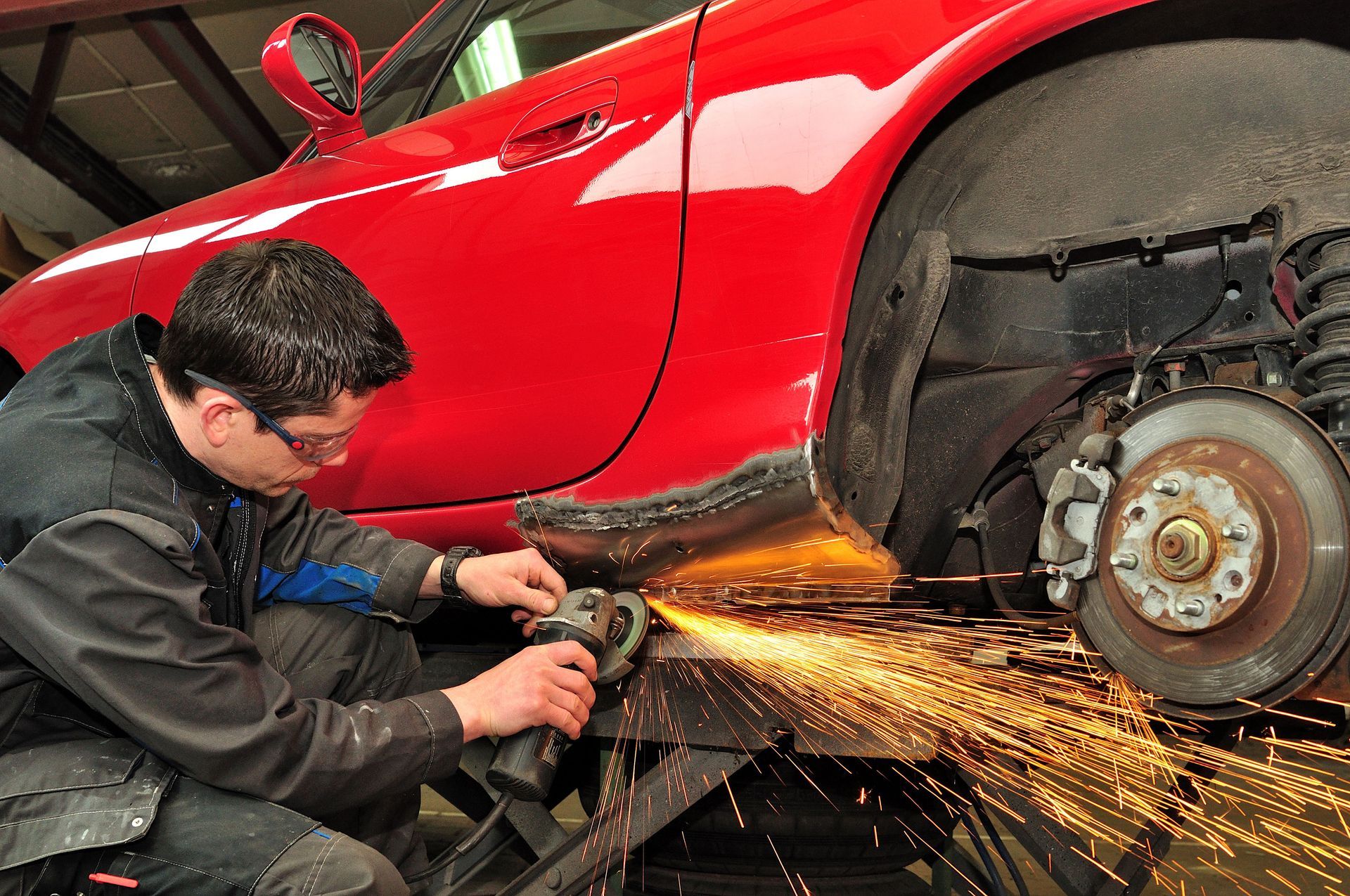
Even high-quality aftermarket components may require adjustments to fit a vehicle correctly. Differences in model years, previous modifications, engine configurations, and available space can create installation challenges. Custom car performance fabrication helps address these situations by allowing technicians to develop parts or modify existing components to meet specific fitment needs. Accurate measurements are important when working with mounting points, brackets, piping, and surrounding mechanical systems. Technicians must also consider heat exposure, vibration, clearance, and accessibility when completing specialized installations. Poor fitment can cause premature wear, unwanted noise, or interference with other components. A professional shop checks how new parts interact with the entire vehicle rather than treating each installation as an isolated task. This attention to detail supports better functionality and helps reduce avoidable problems after the work is complete.
Balancing Performance With Reliability
Increasing performance should not come at the expense of a vehicle's overall dependability. Every modification can affect other systems, which makes compatibility and supporting upgrades important considerations. According to IMARC Group, the worldwide automotive repair and service market is projected to reach $1,052.50 billion by 2033, with an estimated compound annual growth rate of 4.18% between 2025 and 2033. This growth reflects the continuing importance of vehicle maintenance and specialized automotive services. Custom car performance fabrication should therefore be approached with attention to both immediate performance goals and long-term operating needs. Technicians can explain whether additional cooling, braking, drivetrain, or maintenance considerations may be necessary after an upgrade. Owners should also receive guidance about inspection intervals and the care required for modified components. Balancing these factors helps create a vehicle that performs effectively while remaining suitable for its intended use.
Providing Testing and Ongoing Support
A performance project should include appropriate checks after installation to confirm that the completed work functions as intended. Technicians may inspect connections, verify component clearances, check for leaks, and evaluate how modified systems operate together. Custom car performance fabrication projects may require additional adjustments when testing reveals fitment concerns or unexpected performance behavior. Depending on the modifications, a shop may also recommend alignment checks, diagnostic scans, or specialized tuning by qualified professionals. Owners should ask what testing is included and whether any follow-up inspections are recommended. Clear documentation of installed components and completed work can also make future maintenance easier. Ongoing support gives drivers an opportunity to address concerns as they become familiar with the vehicle's updated setup. This final stage helps ensure that the project delivers practical results beyond the initial installation.
A performance vehicle should reflect the driver's goals rather than simply follow a collection of popular modifications. Careful evaluations, compatible components, precise installation, and appropriate testing all contribute to a successful project. Working with experienced professionals helps ensure that upgrades support the vehicle's intended purpose while accounting for reliability and safety. Northwest Rally Sports can help drivers explore performance solutions that address their individual needs and vehicle requirements. Contact our shop to discuss your goals and learn how professional automotive expertise can help bring your performance project to life.